December 17, 2025
Older buildings often face challenges that modern structures do not, particularly regarding roofing. Roofs play a critical role in protecting the building’s interior, maintaining energy efficiency, and supporting structural integrity. Commercial roofers are instrumental in keeping older buildings functional and safe. Through detailed assessments, timely maintenance, and strategic upgrades, these professionals ensure that historic structures continue to serve their occupants effectively while adapting to contemporary demands.
Assess Roof Condition Thoroughly
Understanding the current state of a roof is the first step for commercial roofers. Advanced inspection tools like drones and thermal imaging allow roofers to detect hidden issues that standard visual checks might miss. This level of detail is crucial for older buildings, which may have structural weaknesses due to aging materials. According to The Real Estate Roundtable, in 2024, 21% of commercial buildings in the U.S. were built before 1960, emphasizing the need for expert evaluation and specialized care.
Commercial roofers also focus on identifying structural vulnerabilities and material deficiencies. By examining support beams, load-bearing points, and existing roofing materials, they can pinpoint potential failures before they escalate into costly problems. Additionally, they document findings in detailed reports, guiding building owners in making informed decisions about repairs and upgrades. This proactive approach helps extend the life of older buildings while maintaining safety, efficiency, and historical integrity.
Evaluating weather impact is equally important. Older roofs often face damage from wind, rain, snow, and temperature fluctuations, making climate-specific assessments essential. Commercial roofers tailor maintenance plans to protect the structure from environmental stresses, implementing solutions that mitigate damage. Through careful analysis and planning, they ensure the roof remains resilient against future weather challenges, supporting both occupant safety and building performance.
Implement Repairs and Maintenance Strategically
Emergency repairs are a core service provided by commercial roofers, especially for older buildings with weakened structures. Immediate attention to leaks, storm damage, or cracks prevents further interior harm and mitigates costly repairs. Rapid intervention stabilizes the building, maintaining safety and operational efficiency for occupants and assets alike.
Scheduled maintenance programs complement emergency services. Regular inspections and minor repairs prevent major issues, extending roof lifespan and enhancing energy efficiency. Commercial roofers customize these plans for each building, ensuring consistent care that addresses decades of wear while minimizing energy loss and operational disruption.
In addition to repairs, commercial roofers improve waterproofing and insulation. Many older buildings lack modern systems, which can result in heat loss, water damage, and mold growth. By applying advanced waterproofing membranes and insulation materials, roofers enhance indoor comfort and reduce energy consumption. Sustainable materials are often integrated, improving energy efficiency while supporting long-term environmental goals.
Upgrade Roof Systems With Modern Solutions
Modern technologies transform older roofs into active components of the building’s infrastructure. Commercial roofers install solar panels, reflective surfaces, and energy-harvesting systems that boost efficiency and reduce operational costs. These upgrades allow historic buildings to meet contemporary performance standards without compromising architectural character.
Integration with building systems is equally vital. Roofers assess how the roof interacts with HVAC, ventilation, and solar systems, ensuring seamless coordination. Proper integration minimizes energy loss, supports consistent indoor climates, and maximizes the building’s overall functionality. These improvements help older structures operate as efficiently as newer counterparts.
Retrofitting offers a targeted alternative to full roof replacement. By reinforcing structural elements, adding insulation, or implementing energy-saving technologies, commercial roofers modernize roofs while preserving historical features. This strategic approach enhances longevity, energy efficiency, and operational performance without extensive reconstruction, allowing older buildings to remain functional and appealing.
Adapt Roofs for Weather and Climate
Tailoring roof solutions to regional climates ensures durability and efficiency. Commercial roofers evaluate how environmental factors—such as sunlight, snow, wind, and precipitation—affect roofing materials and structure. Implementing climate-appropriate measures reduces damage risk and extends roof lifespan.
Advanced weather-resistant materials further protect older buildings. Roofers select technologies designed to withstand storms, high winds, and heavy rainfall, minimizing repair frequency and cost. These materials contribute to overall resilience, helping buildings endure extreme conditions without compromising functionality. By choosing products with proven durability, commercial roofers ensure that older structures maintain their performance over time, even under the most challenging environmental conditions.
Seasonal and long-term climate planning is critical for older structures. Commercial roofers anticipate seasonal impacts like expansion, contraction, and ice formation while preparing for future climate challenges. Incorporating heat-reflective materials and improved drainage systems protects the roof against changing weather patterns, ensuring efficiency, safety, and operational reliability over time.
Ensure Compliance and Safety Standards
Older buildings must meet current building codes, energy efficiency benchmarks, and fire safety regulations to remain operational and legally compliant. Commercial roofers play a critical role in ensuring that all roofing projects adhere to these standards, carefully evaluating each building’s unique characteristics. This includes reviewing local and national regulations, assessing structural capacity, and recommending upgrades that align with current safety and performance expectations. By integrating compliance into the planning stage, roofers help building owners avoid costly fines and reduce liability, while ensuring the structure remains functional and protected.
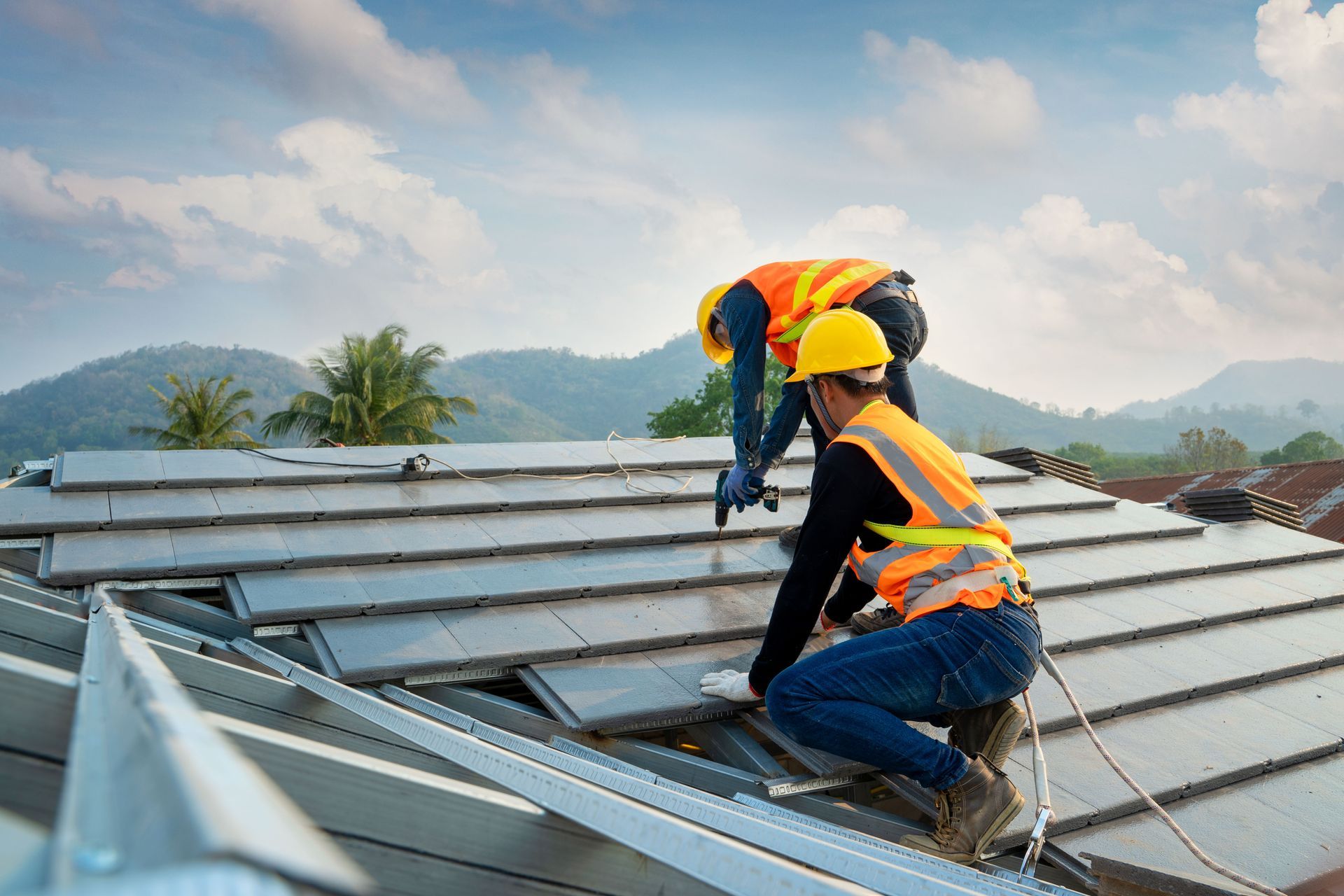
During installation and ongoing maintenance, commercial roofers implement comprehensive safety protocols to protect workers, occupants, and the building itself. Use of scaffolding, harnesses, guardrails, and other safety equipment minimizes risks during high-elevation work, while clearly defined emergency procedures prepare teams for unforeseen incidents. Roofers also provide specialized staff training, emphasizing safe handling of materials, proper tool use, and adherence to occupational safety standards. By prioritizing safety at every stage, roofers ensure projects proceed efficiently, reducing accidents and safeguarding both personnel and property.
Beyond structural safety, fire resistance and energy efficiency are key considerations in roofing work for older buildings. Commercial roofers select materials and implement systems that enhance fire protection, such as non-combustible layers, firebreaks, and fire-resistant coatings. At the same time, insulation, reflective coatings, and energy-saving technologies are installed to reduce heat loss, lower utility costs, and improve indoor climate control. Proper documentation, insurance coverage, and verification of compliance with energy codes give building owners confidence that the roof not only meets legal standards but also supports long-term operational efficiency and occupant safety.
Maximize Economic Benefits
Investing in roof maintenance and upgrades yields tangible economic benefits. Commercial roofers provide cost-benefit analyses to guide building owners in selecting improvements that offer long-term savings. Well-maintained roofs reduce energy costs and prevent expensive emergency repairs, supporting the building’s financial sustainability.
Property value is also enhanced through effective roofing interventions. Buyers and investors are drawn to structures that demonstrate operational efficiency, reduced future expenses, and modernized functionality. Commercial roofers ensure that older buildings meet these expectations, increasing their market appeal and investment potential.
The roofing industry contributes to local economic growth and employment opportunities. Demand for skilled professionals grows as older buildings require specialized refurbishment. Commercial roofers also help building owners access incentives and rebates for sustainable upgrades, reducing upfront costs while promoting environmentally responsible practices. These efforts support both community development and sustainable building operations.
Commercial roofers are essential partners in maintaining the efficiency and functionality of older buildings. Through detailed assessments, proactive maintenance, modern upgrades, and climate adaptation strategies, these professionals ensure historic structures remain safe, energy-efficient, and operationally effective. By addressing compliance, safety, and economic considerations, building owners can maximize the benefits of roofing investments. Contact us at Seamless Commercial Roofing today to see the benefits for yourself! We help older buildings perform at their best while preserving their unique character and historical value.